

Polyvinyl alcohol (PVOH), a versatile polymer, has found a significant application in the production of water-soluble bags. As a PVOH supplier, I have witnessed firsthand the growing demand for these eco-friendly solutions and the unique properties of PVOH that make it an ideal material for this purpose.
Understanding Polyvinyl Alcohol (PVOH)
PVOH is a synthetic polymer derived from the hydrolysis of polyvinyl acetate. It is characterized by its excellent film-forming properties, high tensile strength, and solubility in water. These properties make it a popular choice for a wide range of applications, including adhesives, coatings, and packaging materials.
One of the key advantages of PVOH is its ability to dissolve in water at different temperatures, depending on its degree of hydrolysis. Fully hydrolyzed PVOH has a high degree of hydrolysis (usually above 98%) and dissolves in hot water, while partially hydrolyzed PVOH has a lower degree of hydrolysis (usually between 85% and 90%) and can dissolve in cold water. This property allows for the customization of water-soluble bags based on the specific requirements of the application.
The Production Process of Water-Soluble Bags
The production of water-soluble bags involves several steps, starting with the selection of the appropriate PVOH resin. Different grades of PVOH are available, each with its own unique properties and characteristics. For example, PVA BF05 (5-98, 105) is a fully hydrolyzed PVOH resin that offers high strength and excellent film-forming properties, making it suitable for applications where a strong and durable water-soluble bag is required. On the other hand, PVA 17-88 is a partially hydrolyzed PVOH resin that dissolves in cold water, making it ideal for applications where quick dissolution is desired.
Once the appropriate PVOH resin is selected, it is mixed with other additives, such as plasticizers, lubricants, and stabilizers, to improve its processability and performance. The mixture is then extruded or cast into a film, which is then cut and sealed to form the water-soluble bags.
Applications of Water-Soluble Bags
Water-soluble bags have a wide range of applications in various industries, including laundry detergents, agricultural chemicals, and medical supplies. In the laundry detergent industry, water-soluble bags are used to package single-dose laundry detergents, eliminating the need for measuring and reducing the risk of spillage. The bags dissolve completely in the washing machine, leaving no residue behind.
In the agricultural industry, water-soluble bags are used to package pesticides and fertilizers. The bags can be directly added to the spray tank, where they dissolve quickly, releasing the contents into the water. This not only simplifies the application process but also reduces the risk of exposure to harmful chemicals.
In the medical industry, water-soluble bags are used to package medical devices and supplies. The bags can be sterilized and then used to store and transport the medical products. When the products are needed, the bags can be simply placed in water, where they dissolve, releasing the contents.
Advantages of Using PVOH in Water-Soluble Bags
There are several advantages of using PVOH in the production of water-soluble bags. Firstly, PVOH is a biodegradable and environmentally friendly material. It breaks down into natural substances in the environment, reducing the impact on the ecosystem. Secondly, PVOH offers excellent barrier properties, protecting the contents of the bags from moisture, oxygen, and other contaminants. This helps to extend the shelf life of the products and maintain their quality. Thirdly, PVOH is a safe and non-toxic material, making it suitable for use in food and medical applications.
Challenges and Solutions in PVOH Application
Despite its many advantages, the use of PVOH in water-soluble bags also faces some challenges. One of the main challenges is the sensitivity of PVOH to humidity. PVOH can absorb moisture from the environment, which can affect its solubility and mechanical properties. To address this issue, proper storage and handling procedures are required. PVOH should be stored in a dry and cool place, and the bags should be sealed properly to prevent moisture from entering.

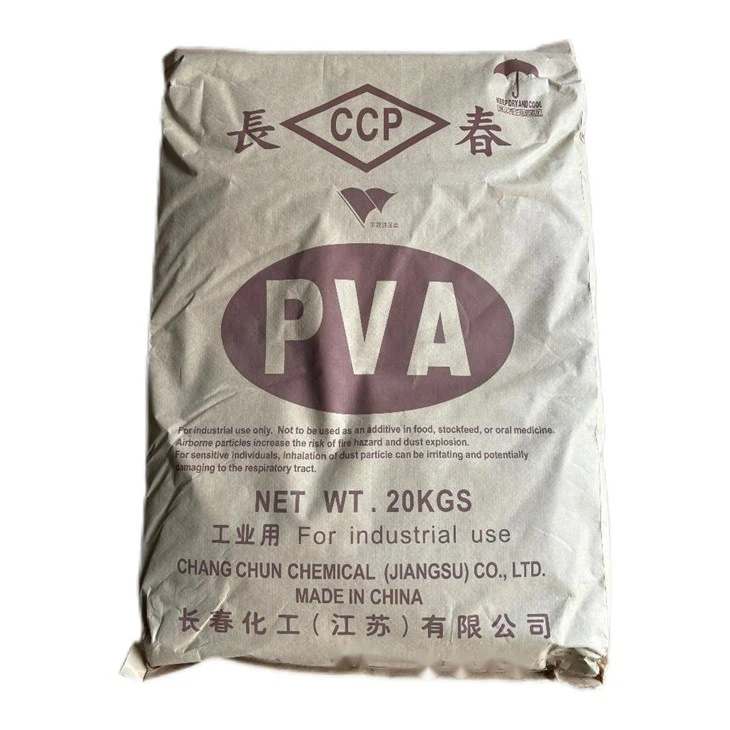
Another challenge is the cost of PVOH. PVOH is a relatively expensive material compared to other polymers. However, the cost can be offset by the benefits it offers, such as improved product quality, reduced waste, and environmental friendliness. Additionally, as the demand for water-soluble bags continues to grow, the cost of PVOH is expected to decrease over time.
Future Trends in PVOH and Water-Soluble Bags
The future of PVOH and water-soluble bags looks promising. With the increasing awareness of environmental issues and the demand for sustainable packaging solutions, the market for water-soluble bags is expected to grow significantly in the coming years. New technologies and materials are being developed to improve the performance and properties of PVOH, making it even more suitable for use in water-soluble bags.
For example, Polyvinyl Alcohol Resin CCP BP26 is a new grade of PVOH resin that offers improved solubility and mechanical properties. This resin can be used to produce water-soluble bags with higher strength and better performance.
Conclusion
In conclusion, PVOH is a key material in the production of water-soluble bags. Its unique properties, such as water solubility, biodegradability, and excellent barrier properties, make it an ideal choice for a wide range of applications. As a PVOH supplier, I am committed to providing high-quality PVOH products and technical support to our customers. If you are interested in using PVOH in the production of water-soluble bags, or if you have any questions or concerns, please feel free to contact us for further information and procurement discussions.
References
- Brandrup, J., & Immergut, E. H. (Eds.). (1989). Polymer Handbook. John Wiley & Sons.
- O’Neill, M. J. (Ed.). (2006). The Merck Index: An Encyclopedia of Chemicals, Drugs, and Biologicals. Merck & Co.
- Rosato, D. V., & Rosato, M. G. (2004). Plastics Processing Data Handbook. Elsevier.